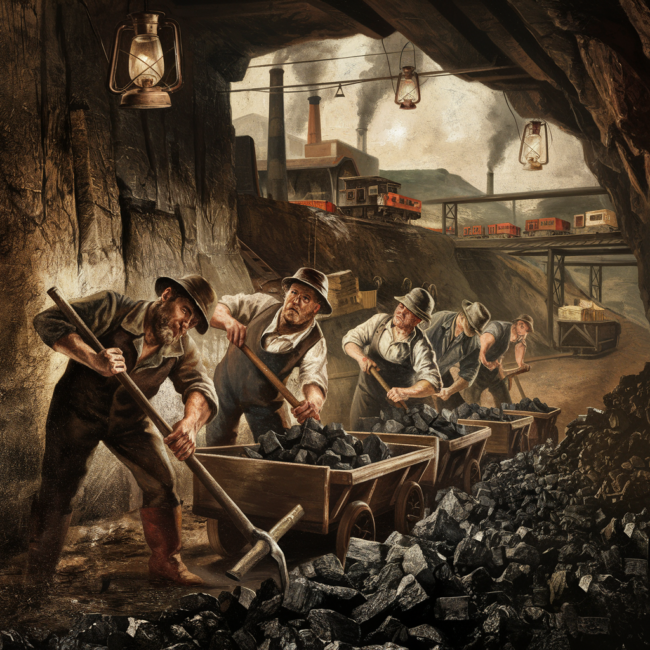
Pittsburgh’s Coal Mining Boom: Fueling an Industrial Nation
Explore Pittsburgh’s coal mining boom and how it fueled America’s industrial rise. Discover the towns, labor struggles, and environmental legacy of the region’s coal era.


Explore Pittsburgh’s coal mining boom and how it fueled America’s industrial rise. Discover the towns, labor struggles, and environmental legacy of the region’s coal era.
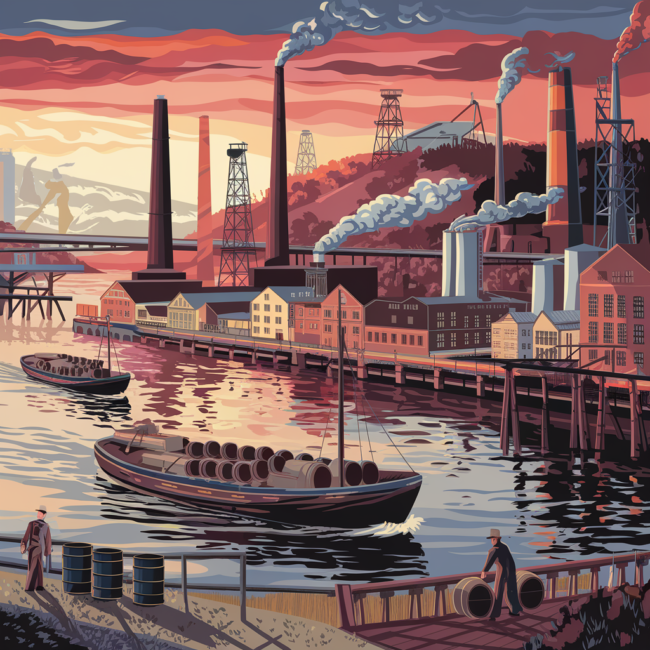
Discover Pittsburgh’s forgotten role in America’s 19th-century oil boom. Learn how the city’s refineries, rivers, and industries fueled the rise of the global oil economy.
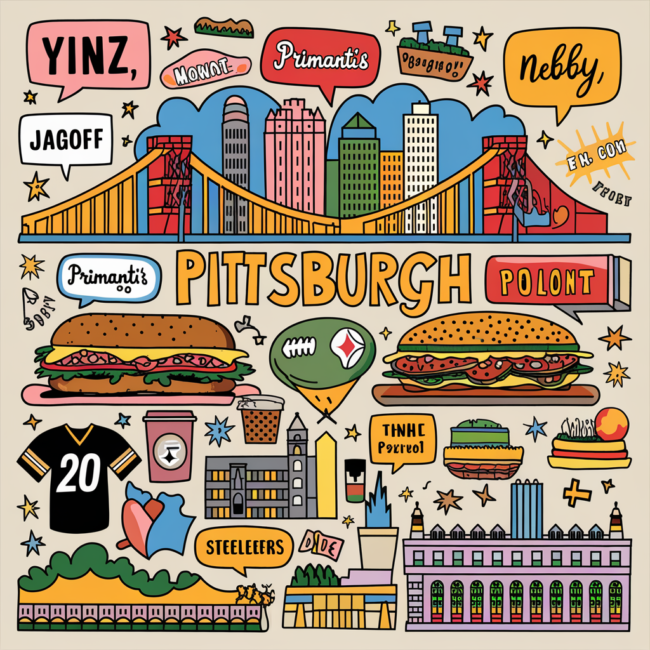
The Language of the Steel City Pittsburgh is a city shaped by its industrial grit, tight-knit neighborhoods, and a language all its own. Known as “Pittsburghese,” the city’s distinctive mix of words, phrases, and pronunciations reflects a rich blend of immigrant roots and working-class culture. It’s a dialect forged in steel mills, shaped in corner…
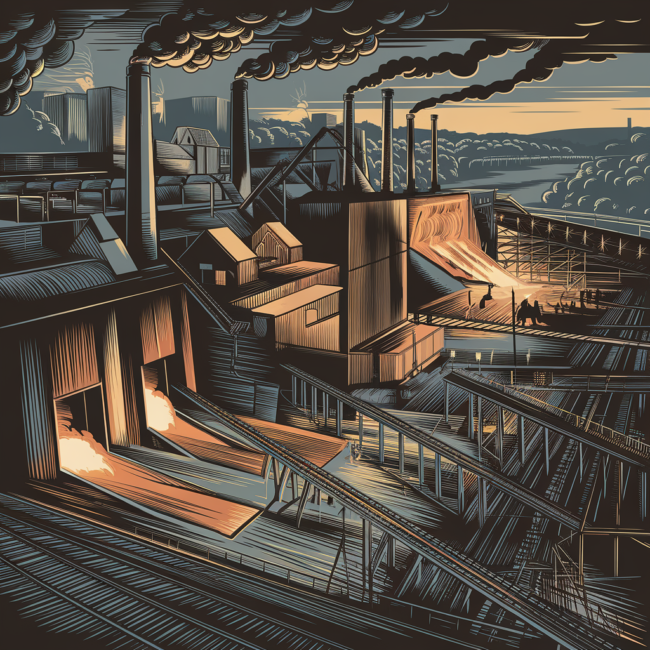
Introduction: Innovation and Obsolescence in the Steel City Pittsburgh’s steel dominance wasn’t just built on raw resources — it was driven by relentless technological innovation. From the Bessemer process that launched an empire to the outdated open-hearth furnaces that spelled its collapse, Pittsburgh’s rise and fall as America’s steel capital is a story of industrial evolution and…
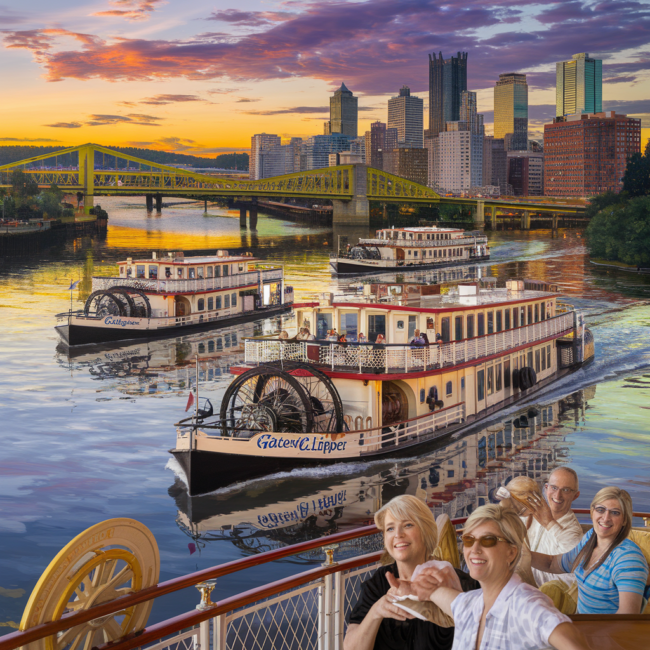
When people think of Pittsburgh’s rivers today, they picture the Gateway Clipper Fleet — a collection of elegant riverboats cruising the city’s iconic waterways. For more than 60 years, the Clipper has been more than just a sightseeing cruise — it’s a floating piece of Pittsburgh history, carrying generations of locals and visitors through the city’s industrial past and vibrant present.
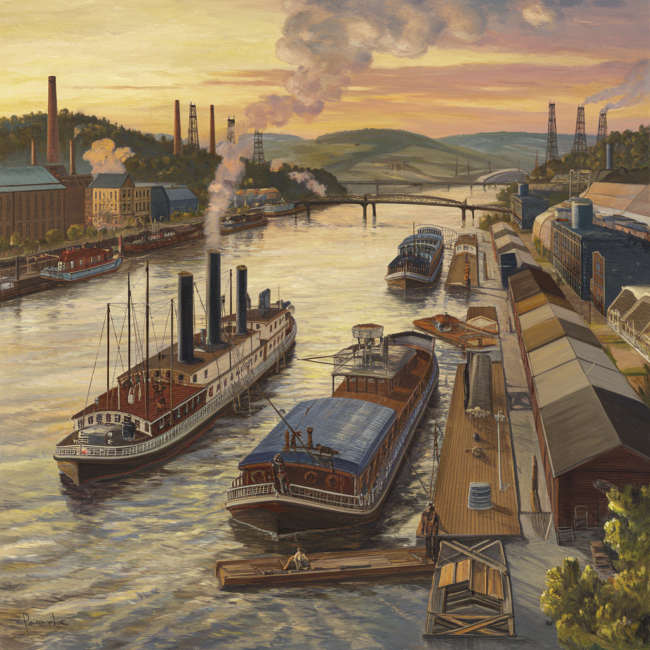
Introduction: Pittsburgh’s Rivers — Highways of Industry Before railroads crisscrossed the land or highways tied America together, Pittsburgh’s three rivers — the Allegheny, Monongahela, and Ohio — served as vital arteries of commerce, transportation, and industry. Riverboats and barges turned the city into a bustling inland port, fueling its rise as the “Gateway to the West” and…
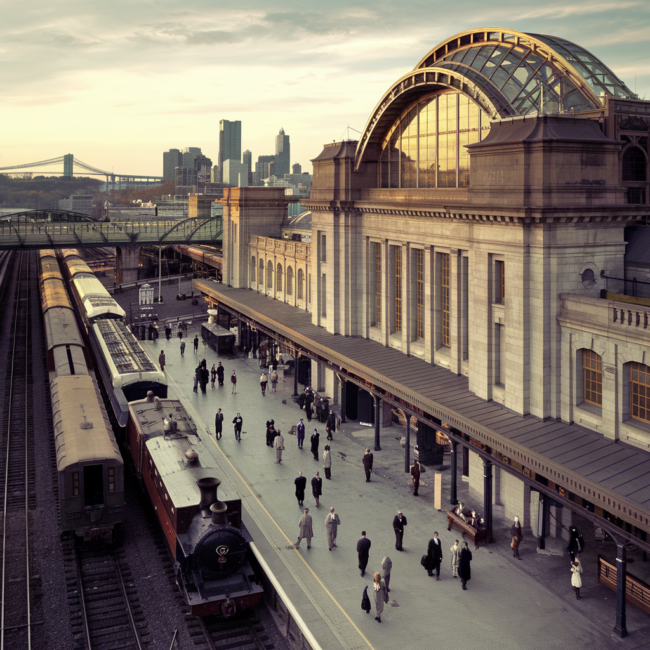
Introduction: The Steel City on the Rails Pittsburgh’s rise as an industrial giant was impossible without its railroads. In the 19th and early 20th centuries, railroads fueled the city’s steel empire, moved millions of immigrants, and connected Pittsburgh to the rest of the country. At the heart of it all stood Pittsburgh’s Union Station, a Beaux-Arts…
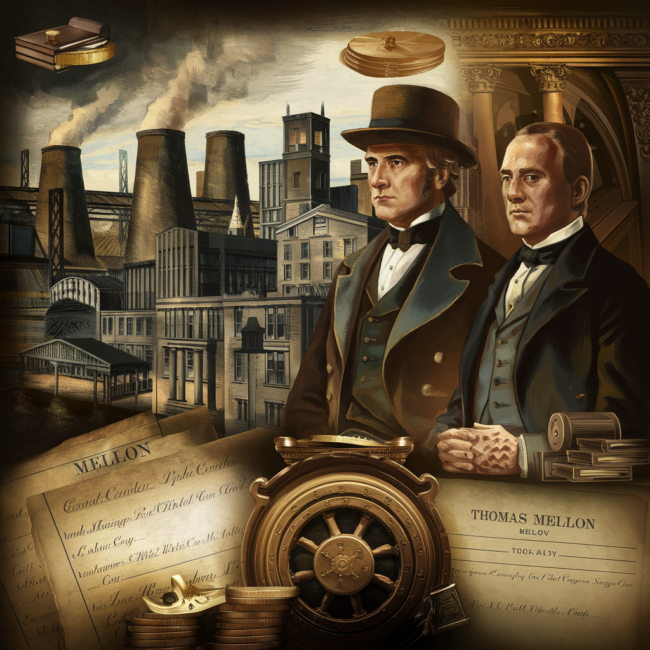
Introduction: How One Pittsburgh Family Shaped American Finance The Mellon family name is synonymous with Pittsburgh’s rise as a financial and industrial powerhouse. What began as a modest banking operation in 19th-century Pittsburgh evolved into one of the most influential family dynasties in American history. The Mellons didn’t just fund Pittsburgh’s steel mills and glass…
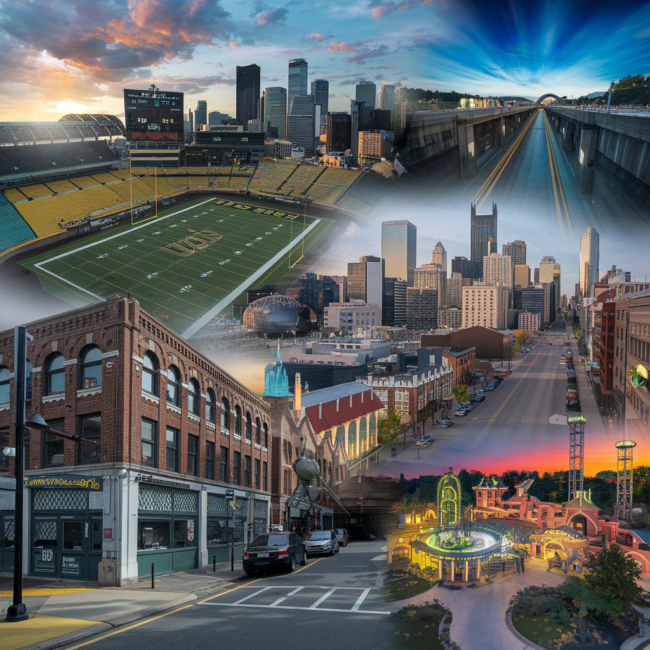
Introduction: Hollywood’s Favorite Steel City Backdrop Pittsburgh’s iconic bridges, gritty industrial charm, and historic architecture have quietly made it one of Hollywood’s favorite filming locations. Over the decades, Pittsburgh has starred in blockbuster films, indie hits, and Oscar-winning classics — often doubling as New York, Chicago, or even post-apocalyptic cities. The best part? Many of these…
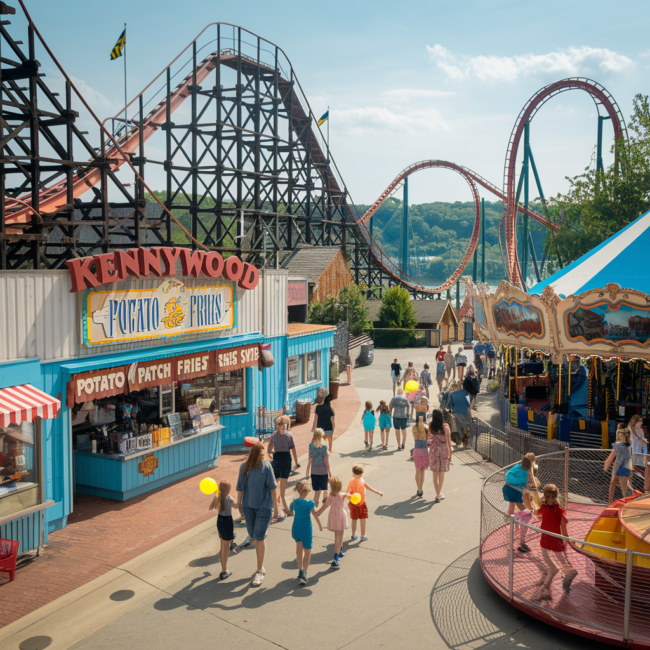
A Trolley Park for the Working Class (1898) On a spring day in 1898, crowded trolleys clattered out of downtown Pittsburgh carrying steel mill workers and their families toward a green hilltop above the Monongahela River. Their destination was Kennywood Park, a brand-new “trolley park” created as a weekend escape from the city’s smoke and…