

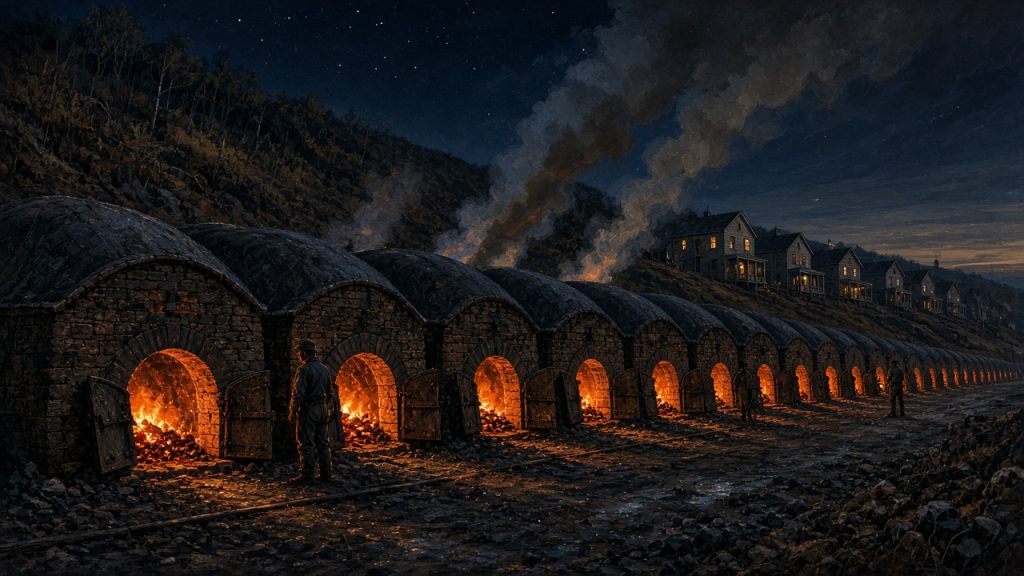
Connellsville Coke: The Beehive Ovens That Fed Pittsburgh Steel
For a few decades one narrow strip of Fayette and Westmoreland counties made much of the coke that American furnaces burned. How beehive ovens worked, how Frick built his empire, what happened at Morewood in 1891, and where the ovens still stand.
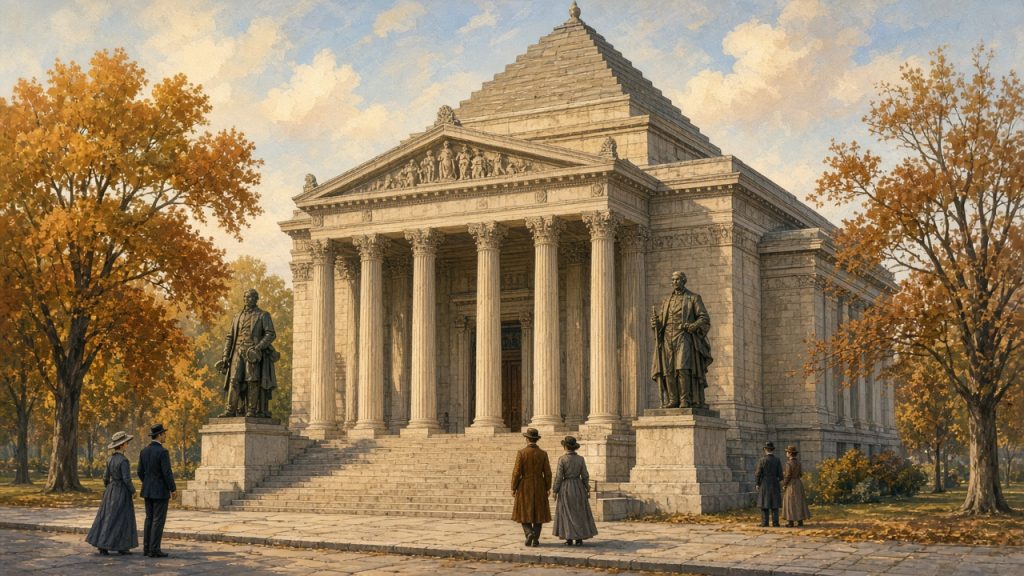
Soldiers and Sailors Memorial Hall: A Court Told Civil War Veterans to Think Bigger
Allegheny County’s Civil War veterans asked a court for a monument and were told to ask for a hall instead. How Soldiers and Sailors Memorial Hall was funded, fought over and built, what its bronze plaques list, and how it widened to every war.
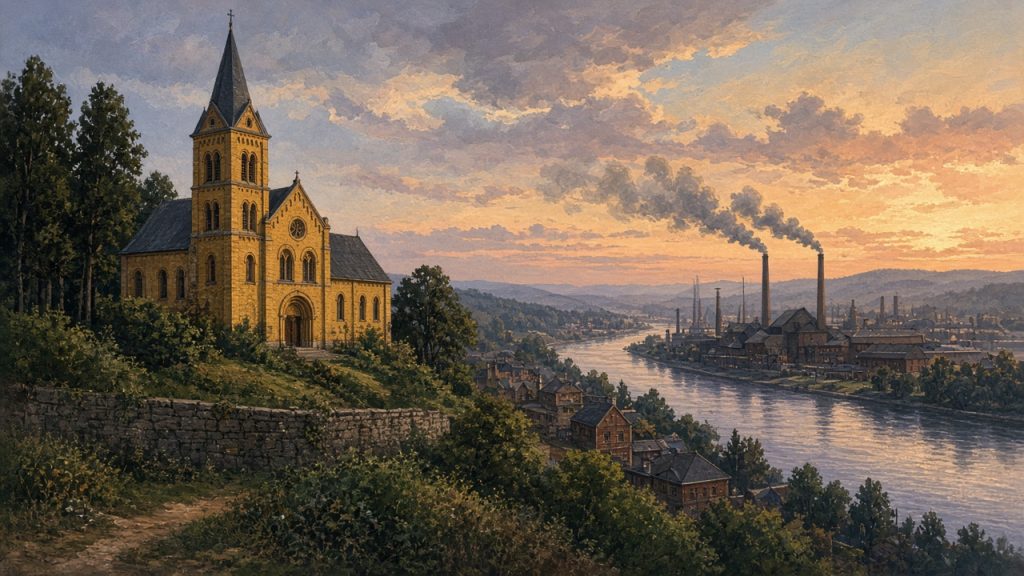
Maxo Vanka Murals: The Millvale Church That Became a Landmark
Maxo Vanka painted the walls of a Millvale church in 1937 and 1941 with Croatian peasants, millworkers, grieving mothers and soldiers. How a priest found him, what is on the walls, the ghost legend, the 1970 repaint, and how to visit.
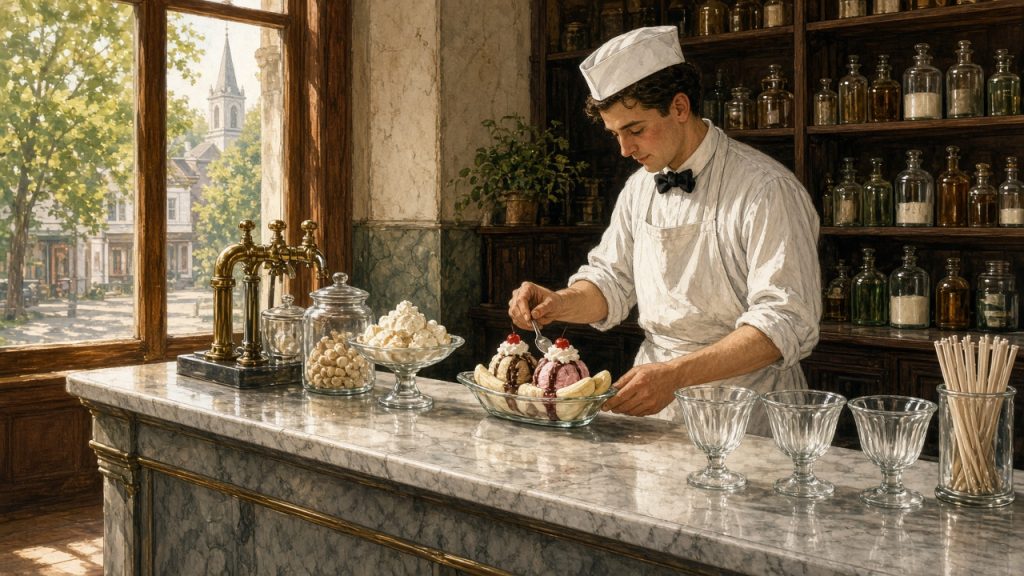
Banana Split Latrobe: The 1904 Claim and the 1905 Evidence
A state marker in Latrobe says the first documented banana split was made there in 1904. The earliest printed use of the name is a 1905 trade-journal line about Boston. What the evidence supports, and what it does not.
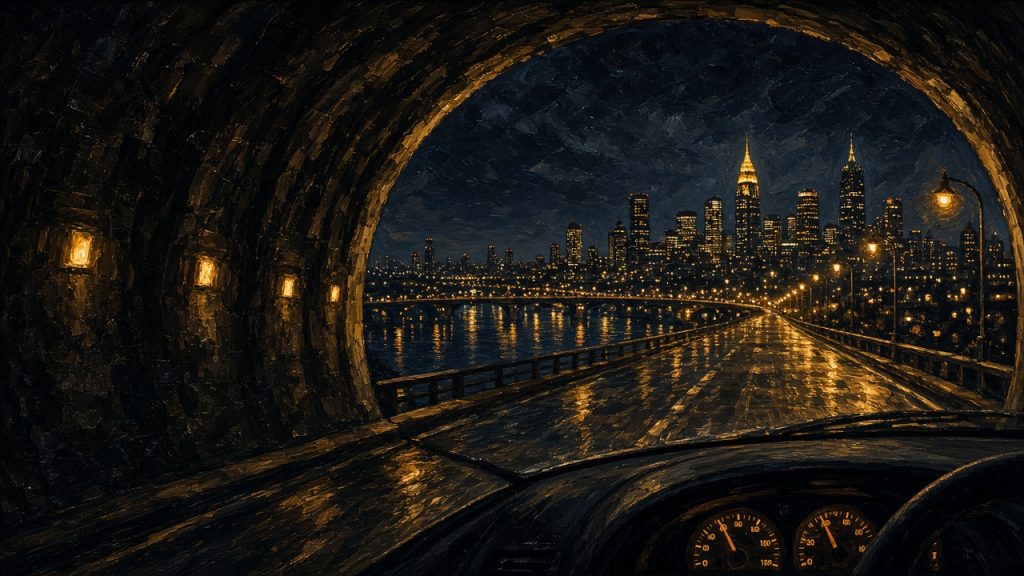
The Perks of Being a Wallflower Filming Locations: Where Each Pittsburgh Scene Was Shot
The Perks of Being a Wallflower was shot in Stephen Chbosky’s own South Hills. Here is where the tunnel scene, the school, the Rocky Horror nights and the diner were filmed, and what is there now.
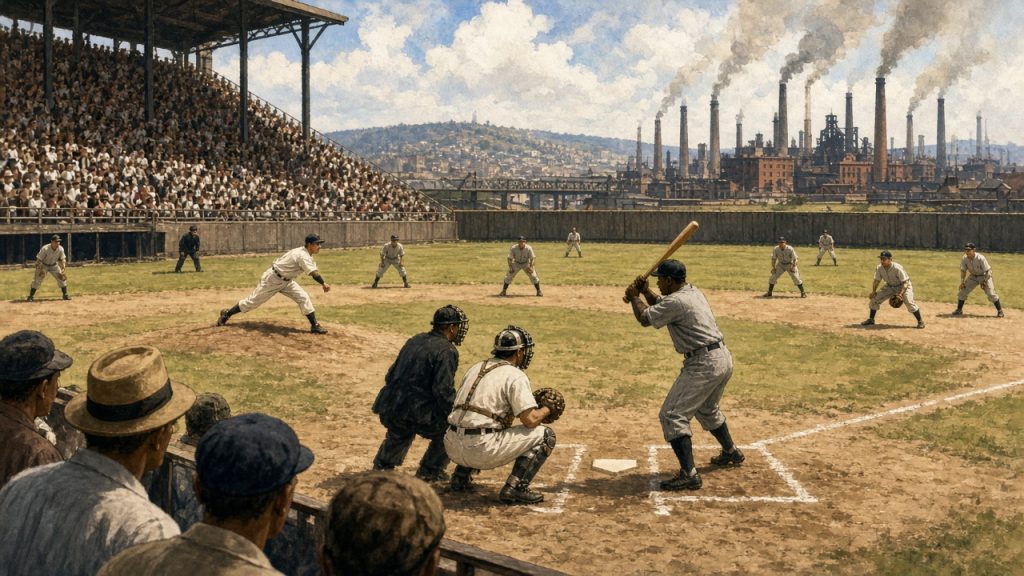
Homestead Grays: From Steel Mill Sandlot to Negro Leagues Powerhouse
The Homestead Grays began as a recreation club for young steelworkers. Cum Posey turned them into a Negro Leagues power by staying out of the leagues, raiding rivals and filling the schedule, until integration ended it.